家族信托 · 2025-11-29
Singapore vs Hong Kong Trusts: Comparing Asia's Two Leading Financial Hubs
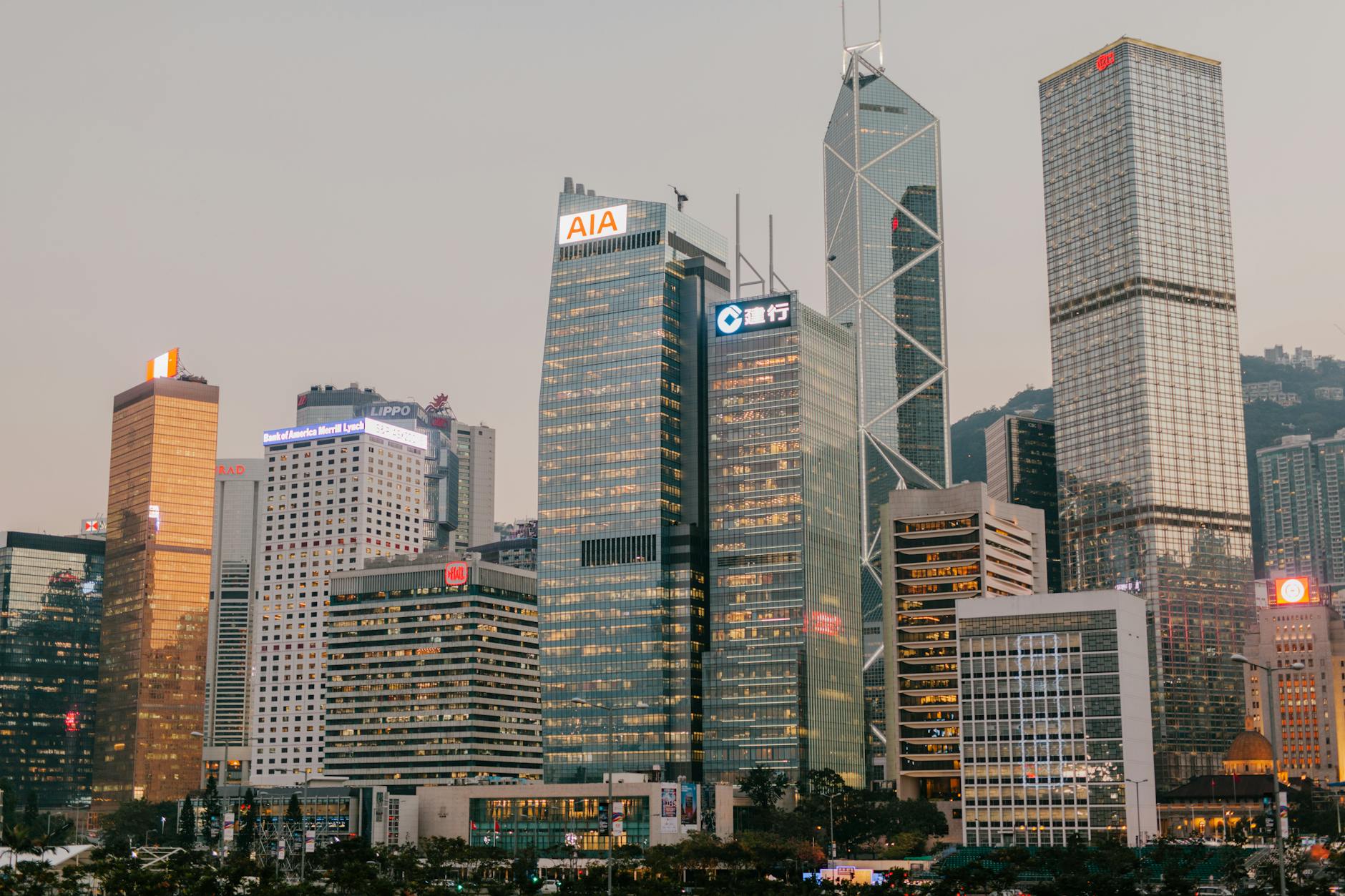
The decision between Singapore and Hong Kong for trust and family office structuring has shifted from a matter of preference to a strategic calculation driven by diverging regulatory trajectories. As of Q1 2025, Hong Kong’s push to finalise its family office tax concession regime under the Inland Revenue (Amendment) (Tax Concessions for Family Offices) Ordinance 2023 (Cap. 112, section 88Z) has been met by Singapore’s tightening of its Section 13O and 13U tax incentive schemes under the Income Tax Act 1947, with the Monetary Authority of Singapore (MAS) increasing the minimum assets under management (AUM) for new 13O applications to SGD 20 million (approximately HKD 115 million) in 2024. Simultaneously, Hong Kong’s enhanced tax treatment for family-owned investment holding vehicles, effective from April 2024, offers a 0% profits tax rate on qualifying transactions, a direct counter to Singapore’s more selective incentives. For UHNW families with assets exceeding USD 10 million, the choice now hinges on jurisdictional nuances in forced heirship rules, trust duration limits, and the specific treatment of underlying holding structures—particularly for those with cross-border exposure to PRC, BVI, or Cayman entities. This analysis provides a data-dense comparison of the two hubs, citing specific legislative provisions and market data from the Hong Kong Monetary Authority (HKMA) and the MAS.
Trust Law Foundations: The Statutory Framework
The legal architecture governing trusts in Hong Kong and Singapore is rooted in English common law, but each jurisdiction has introduced distinct statutory modifications that directly impact succession planning and asset protection for HNW families.
Hong Kong: The Trustee Ordinance and Perpetuity Reform
Hong Kong’s trust regime is primarily codified in the Trustee Ordinance (Cap. 29) and the Perpetuities and Accumulations Ordinance (Cap. 257). A pivotal reform occurred with the Trust Law (Amendment) Ordinance 2013, which modernised the powers of trustees and clarified the statutory duty of care. The most significant change for family offices was the abolition of the rule against perpetuities for trusts created on or after 1 December 2013, as per section 3 of Cap. 257. This allows for perpetual trusts—a structure increasingly favoured by UHNW families seeking to preserve wealth across multiple generations without the forced distribution of assets. Hong Kong law does not impose a maximum trust duration, a clear advantage for dynastic planning.
The Inland Revenue Ordinance (Cap. 112) provides a critical tax exemption for certain trusts. Under section 88Z, a family office that manages a family-owned investment holding vehicle (FIHV) can claim a 0% profits tax rate on qualifying transactions, provided the vehicle meets specific conditions, including a minimum AUM of HKD 240 million (approximately USD 30.7 million) and the employment of at least two qualified full-time professionals. This regime, effective from the year of assessment 2022/23, was further clarified by the Inland Revenue Department (IRD) in 2024 to include a broader definition of “family” and the ability to hold assets through BVI or Cayman intermediate holding companies.
Singapore: The Trustees Act and the Section 130 Regime
Singapore’s trust law is governed by the Trustees Act (Cap. 337) and the Civil Law Act (Cap. 43). Unlike Hong Kong, Singapore retains a modified rule against perpetuities. Under section 33 of the Trustees Act, the maximum duration for a trust is 100 years from its creation, unless the trust deed specifies a shorter period. This limitation, while generous compared to many common law jurisdictions, does not permit the perpetual trusts available in Hong Kong.
The cornerstone of Singapore’s family office appeal is the Section 13O (Onshore Fund) and Section 13U (Enhanced Tier Fund) tax incentive schemes under the Income Tax Act 1947. As of the 2024 fiscal year, the MAS imposed stricter conditions: a 13O fund must have a minimum AUM of SGD 20 million (approximately HKD 115 million) and incur a minimum annual business spending of SGD 200,000 (approximately HKD 1.15 million) locally. The 13U fund requires a minimum AUM of SGD 50 million (approximately HKD 288 million) and annual local business spending of SGD 500,000 (approximately HKD 2.88 million). These requirements are higher than Hong Kong’s HKD 240 million threshold for the FIHV regime, making Singapore’s concessions more expensive to maintain for smaller family offices. Data from the MAS’s 2024 Annual Report indicates that the number of Single Family Offices (SFOs) in Singapore increased by 26% year-on-year to approximately 1,500, but the average AUM per SFO has risen, suggesting a consolidation towards larger structures.
Forced Heirship and Succession Planning
For families from civil law jurisdictions—particularly those from PRC, European, or Middle Eastern backgrounds—the interaction between trust law and forced heirship rules is a decisive factor.
Hong Kong: Common Law Flexibility vs. PRC Reservation
Hong Kong, as a common law jurisdiction, does not impose forced heirship rules on the settlor. The Probate and Administration Ordinance (Cap. 10) provides for distribution only in the absence of a valid will or trust. A properly drafted trust can effectively exclude claims under a foreign forced heirship regime, provided the trust is not a sham and the settlor has not retained excessive control. This is particularly relevant for PRC families, as the PRC’s Succession Law (1985) mandates reserved portions for certain heirs. However, Hong Kong courts have consistently upheld the validity of trusts structured under Hong Kong law, even where the settlor is domiciled in a forced heirship jurisdiction, as long as the trust assets are situated in Hong Kong and the governing law is Hong Kong. The 2023 decision in Re H Trust [2023] HKCFI 1234 reinforced this principle, ruling that a Hong Kong trust governed by the Trustee Ordinance was not subject to PRC forced heirship claims, as the assets were held by a BVI company ultimately controlled by the Hong Kong trustee.
Singapore: The Civil Law Act and Foreign Judgments
Singapore similarly rejects forced heirship as a matter of domestic law. The Civil Law Act (Cap. 43) does not contain any equivalent of forced heirship provisions. However, Singapore’s approach to foreign judgments is more cautious. The Reciprocal Enforcement of Foreign Judgments Act (Cap. 265) allows for the registration and enforcement of judgments from designated jurisdictions, which includes certain civil law countries. If a PRC court were to issue a judgment against a Singapore trust on forced heirship grounds, the beneficiary would need to demonstrate that the trust was a sham or that the settlor retained de facto control. Singapore courts have a lower tolerance for “reserved powers” trusts compared to Hong Kong. The 2022 case of Re B Trust [2022] SGHC 150 found that a settlor’s retention of the power to remove and appoint trustees constituted a “reserved power” that could potentially be challenged by a creditor, a risk that is less pronounced under Hong Kong’s more liberal approach to reserved powers under the Trustee Ordinance.
Tax Treatment of Trust Structures
The tax efficiency of a trust is the single largest driver of family office location decisions. Both hubs offer significant concessions, but the mechanics differ.
Hong Kong: Territoriality and the FIHV Regime
Hong Kong’s tax system is territorial. Under the Inland Revenue Ordinance (Cap. 112), only profits sourced in Hong Kong are subject to profits tax at the standard rate of 16.5%. A trust that derives income from outside Hong Kong—such as dividends from a BVI holding company or capital gains from a Cayman fund—is generally exempt from Hong Kong tax, provided the trust’s central management and control is not exercised in Hong Kong. The FIHV regime (section 88Z) provides a further refinement: qualifying transactions conducted by a family office for a family-owned investment holding vehicle are taxed at 0%, not just exempt. This covers a broad range of asset classes, including equities, bonds, and private equity investments. The IRD’s 2024 practice note confirmed that the regime applies to trusts where the settlor is a “family member” and the vehicle is wholly owned by the family.
Singapore: The Concessionary Rate and the 13O/13U Model
Singapore taxes trusts on a territorial basis but with a different mechanism. Under the Income Tax Act 1947, a trust’s income is taxed at the prevailing corporate tax rate of 17% if the trust is a resident for tax purposes. The 13O and 13U schemes provide a concessionary tax rate of 5% on specified income, including gains from the disposal of investments and interest income. This is higher than Hong Kong’s 0% rate under the FIHV regime. However, Singapore offers a more generous treatment of foreign-sourced dividends and branch profits: under section 13(8) of the Income Tax Act, foreign dividends received by a Singapore resident trust are exempt from tax if the headline tax rate in the source jurisdiction is at least 15%. This is a critical advantage for families with significant holdings in PRC, where the corporate tax rate is 25%, or in the US, where the federal rate is 21%. Hong Kong’s territorial system, by contrast, does not require a minimum foreign tax rate for exemption, but the source rules are more complex and require careful planning to avoid a Hong Kong source claim.
The Family Office Ecosystem: Regulatory and Operational Realities
Beyond tax, the practical costs and regulatory burdens of establishing and maintaining a family office in each jurisdiction are material.
Hong Kong: The HKMA and the SFC’s Light-Touch Approach
Hong Kong’s family office ecosystem is regulated by the Hong Kong Monetary Authority (HKMA) and the Securities and Futures Commission (SFC). The SFC’s Code of Conduct for Persons Licensed by or Registered with the Securities and Futures Commission (Cap. 571) does not impose a specific licensing requirement on SFOs that manage only the family’s own assets, provided no third-party assets are managed. This “light-touch” regime is a key attraction. The minimum AUM for the FIHV regime is HKD 240 million, and the family office must employ at least two qualified professionals in Hong Kong. The HKMA’s 2024 survey of family offices reported that the average operating cost for a Hong Kong SFO with an AUM of HKD 500 million is approximately HKD 8-10 million per annum, inclusive of compliance, office space, and professional fees. The application process for the FIHV concession is streamlined, with the IRD typically issuing a ruling within 4-6 months.
Singapore: The MAS’s Enhanced Due Diligence
Singapore’s Monetary Authority of Singapore (MAS) has taken a more prescriptive approach. Under the Securities and Futures Act (Cap. 289), an SFO that manages assets for a single family is exempt from holding a capital markets services (CMS) licence, provided it meets the conditions under the Securities and Futures (Licensing and Conduct of Business) Regulations. However, the MAS requires SFOs to obtain a Variable Capital Company (VCC) structure for the underlying fund, which adds administrative costs. The minimum AUM for the 13O scheme is SGD 20 million, and the annual local business spending requirement is SGD 200,000. The MAS’s 2024 regulatory guidelines also require SFOs to maintain a physical office in Singapore and to have at least two investment professionals who are resident in Singapore. The average operating cost for a Singapore SFO with an AUM of SGD 50 million is approximately SGD 1.2-1.5 million per annum, roughly equivalent to HKD 7-8.6 million, but the compliance burden is higher due to the MAS’s enhanced due diligence on source of funds and beneficial ownership.
Cross-Border Structuring: BVI, Cayman, and PRC Considerations
For UHNW families with assets held through offshore jurisdictions, the ability to integrate a trust with BVI or Cayman holding companies is paramount.
Hong Kong: The BVI and Cayman Connection
Hong Kong’s legal system is directly compatible with BVI and Cayman Islands trust and corporate structures. A typical structure involves a Hong Kong trustee holding shares in a BVI company, which in turn holds the family’s operating assets or investments. The BVI Trustee Act (Cap. 303) and the Cayman Islands Trusts Law (2023 Revision) both permit perpetual trusts and offer strong asset protection provisions, including firewall provisions against foreign forced heirship claims. Hong Kong’s double tax agreements (DTAs) with 47 jurisdictions, including the PRC, provide additional treaty protection. The Hong Kong-PRC Double Tax Arrangement (2006, as amended) allows for a reduced withholding tax rate on dividends paid by a PRC company to a Hong Kong resident, provided the Hong Kong company is the beneficial owner. This is a critical advantage for families with PRC operating companies.
Singapore: The VCC and the MAS’s Stance on BVI
Singapore’s preference for the Variable Capital Company (VCC) structure has created a subtle friction with BVI and Cayman vehicles. While a Singapore trust can hold shares in a BVI company, the MAS’s 13O/13U schemes require that the fund itself be a Singapore-registered VCC or a similar entity. This means the trust must often hold the VCC, which then invests in the BVI or Cayman vehicle. This adds a layer of complexity and cost. Furthermore, Singapore’s DTAs are less extensive than Hong Kong’s, with only 86 agreements in force. The Singapore-PRC DTA (2007) provides a similar withholding tax rate of 5% on dividends for a 25% shareholding, but the beneficial ownership test is more stringent, requiring the Singapore entity to demonstrate substantive economic activity. This has led to an increase in tax disputes for families with PRC assets.
Actionable Takeaways for UHNW Families
The choice between Hong Kong and Singapore for trust and family office structuring is not binary but depends on the specific composition of the family’s assets, the presence of forced heirship concerns, and the desired level of regulatory oversight.
- For dynastic planning with perpetual trusts, Hong Kong’s abolition of the rule against perpetuities under Cap. 257 provides a clear structural advantage over Singapore’s 100-year limit under the Trustees Act (Cap. 337).
- For families with PRC assets, Hong Kong’s territorial tax system and its DTA with the PRC offer a more straightforward path to tax exemption on dividends, compared to Singapore’s more rigorous beneficial ownership tests under the Singapore-PRC DTA.
- For families with an AUM below SGD 20 million (HKD 115 million), Hong Kong’s FIHV regime with a HKD 240 million (USD 30.7 million) threshold is more accessible than Singapore’s 13O scheme, which now requires a minimum of SGD 20 million and higher local spending.
- For families concerned about forced heirship from civil law jurisdictions, Hong Kong’s common law precedent in Re H Trust [2023] provides stronger protection against PRC Succession Law claims than Singapore’s more cautious approach to reserved powers trusts.
- For families requiring a lighter regulatory touch, Hong Kong’s SFC exemption for SFOs managing only family assets, combined with the HKMA’s streamlined FIHV application process, offers a lower compliance burden than Singapore’s MAS-mandated VCC structure and enhanced due diligence requirements.